


Lunch Duty
- Dec 19, 2024
- 5 min read
Resigning from my role at Brownell Talbot was one of the toughest moments of my life. I cherished my students at BT for their keen intellects and ambition, yet the pressures related to my concealed identity as a lesbian became increasingly challenging to manage. Ultimately, after the middle school dean pressed me to my breaking point, I chose to step down. With Ericka's encouragement, I began searching for new teaching opportunities, even though I was uncertain about my capabilities. Eventually, I was offered three positions and chose to accept one at South High School, situated in a predominantly lower income area of Omaha.
Moving from a small private school to a large public one stirred a mix of feelings, both exhilarating and sorrowful. The cozy atmosphere at Brownell had nurtured deep connections with both my colleagues and students. Upon entering the vibrant and bustling environment of South, I felt overwhelmed by its size—busy hallways, classes spread out over three floors, and a new wealth of novels and textbooks waiting to be explored, all accompanied by a diverse student body. While I welcomed the broader opportunities for my professional development and the chance to impact a larger variety of young individuals, I couldn’t help but think back fondly on the laughter and bonds I had shared with my former colleagues. The lack of familiar faces made the transition bittersweet, and I found myself longing for the simple pleasures of teamwork, the casual chats in the staff lounge, and the strong sense of community that we had cultivated together. Establishing new relationships with the educators and students at South proved to be challenging, leading me to question my self-worth and teaching skills.
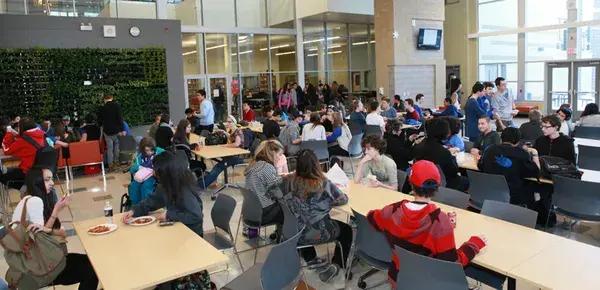
One of my new duties at South was lunch duty. I discovered that lunch duty at a bustling inner city high school presents a complex microcosm of adolescent life, marked by vibrant interactions and stark challenges. As students filed into the cafeteria, the air buzzed with the chatter of youthful energy, yet it quickly spiraled into chaos. Amid the clattering trays and scattered backpacks, food became both a weapon and a medium of expression, with kids hurling mashed potatoes and tossing pizza in playful rebellion against authority. The din of laughter was often punctuated by the throaty jeers of bullying, as cliques formed and dissolved at breakneck speed, leaving some students feeling isolated amidst the fray. While on duty, I stood sentinel over a glassed in section in the middle of the large lunchroom. I tried desperately to restore order by calling out reminders to stay seated and respect one another’s space, but my pleas were usually drowned in the cacophony. The lunch hour, ideally a time for nourishment and camaraderie, instead unfolded as a chaotic battleground where social hierarchies and insecurities were laid bare. Each glance and hurried exchange told a story, revealing the struggles of navigating friendships, identity, and the harsh realities of an urban environment, turning what should have been a simple lunchtime into a profound lesson in resilience and community.
Three weeks into my lunch duty at the bustling high school, I had settled into a routine of supervising the energetic chaos that often accompanied the lunch hour. The air buzzed with laughter, chatter, and the occasional loud clatter of trays hitting tables, but nothing prepared me for the moment a sudden fight erupted just a few feet away from me. It started with a heated argument, but swiftly escalated into a flurry of shoving and shouting, sending nearby students scattering. I had never experienced a violent fight so close to me. In a panic, I grabbed my lunch tray—its plastic surface reflecting the harsh fluorescent lights above—and, in a moment of pure hysteria, I began running away from the scene while screeching for security. The tray in my hand felt surprisingly weighty, not just a shield but a symbol of my determination to escape, and as I sprinted through the throngs of stunned students, I could feel my heart racing. I called out for help, my voice slicing through the chaos; the surreal blend of panic urged me on, hoping that my urgency would bring the reinforcements needed to restore order amidst the whirlwind of youthful exuberance turned chaotic.
As voices escalated and students reacted with a mix of shock and excitement, chaos threatened to spiral out of control. Fortunately, a dedicated coach and a vigilant school administrator heard my pleas for help and changed the tide. The coach, known for his authoritative presence and quick thinking, dashed into the fray, his athletic build allowing him to swiftly navigate through tables and chairs cluttering the lunchroom. Meanwhile, the administrator, with years of experience handling student conflicts, employed a calm yet firm approach. With a powerful sense of teamwork, they coordinated their efforts, tackling one of the more unruly students to the ground while carefully restraining the other, ensuring no one was harmed in the process. The cafeteria, once filled with shouts and chaos, gradually returned to a tense silence, punctuated only by the sound of my ragged breathing.
Later during class, a cacophony of laughter erupted as my sophomore students hounded me to reenact the particularly embarrassing moment from lunchtime—a moment that would come to haunt me with its uncomfortable mix of humor and embarrassment. The scene replayed sharply in my mind: surrounded by the very students I was supposed to protect, I had made a dramatic effort to save my lunch while navigating the bustling space, all while shouting for security. With their playful smirks and bold gestures, the students encouraged me to act out that moment for the whole class, teasingly echoing my frantic cries of “Security!” from that mortifying time. Their unrelenting laughter and jovial ribbing stirred a blend of shyness and reluctant acceptance within me; I couldn’t ignore the ridiculousness of it all, and I eventually found myself joining in on the laughter that filled the classroom. Ultimately, I surrendered to their playful demands and performed the whole episode while they cackled and cheered. To my surprise, my willingness to display vulnerability fostered a deeper connection with my students, forging bonds through our collective amusement and my willingness to shed my facade, if only for a moment.
In the days that followed, I discovered that much of what had initially felt like chaos during lunch duty now carried a new dimension of connection. Encouraged by the laughter from that fateful class, I decided to turn the very chaos I had once feared into a tool for building rapport among the students. Instead of sitting my tray on the back of the students' table, I would quickly eat lunch and then walk throughout the room striking up conversations with the various students in my section. The more students I came to know, the better I felt about my new South High family.
Ultimately, the incident that had sparked my initial panic forged a powerful lesson about the importance of connection, empathy, and self-acceptance. I came to realize that even in the chaotic world of high school, laughter and vulnerability could unite us in ways I had never anticipated. As I stood in the cafeteria towards the end of the year, I reflected on the tumultuous journey of my first year at South High School. Through the once overwhelming chaos, I could now hear the interwoven laughter of students, echoing the realization that sometimes, it takes a little chaos to reveal the bond of community—a lesson I would carry with me throughout the next fifteen years at South.


Comments