


The Terrific Trials of Tada Wee
- Apr 23, 2025
- 3 min read
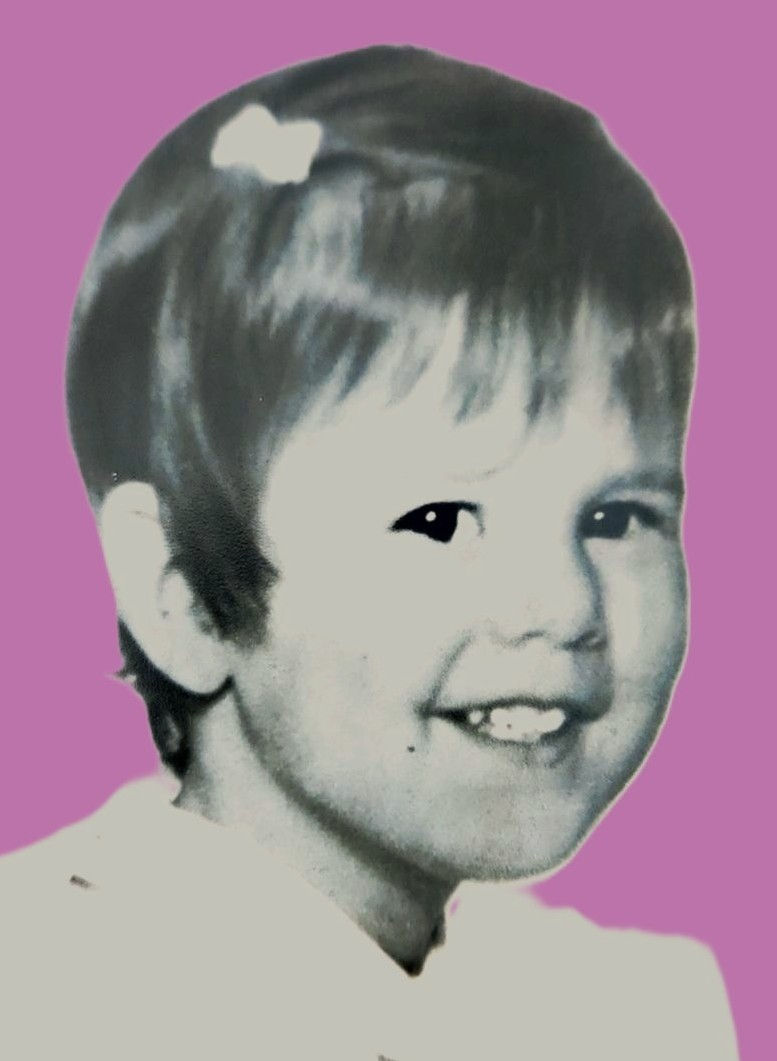
Growing up as a late talker wasn't easy for me. I didn't start speaking until I was almost four years old, and even then, finding my voice felt like a private secret. My mom, determined and patient, would play records nonstop, hoping the music would inspire me to sing along—and speak more. Whenever I was alone, I boldly sang each song, but the moment someone else was around, I'd clam up. One of my biggest challenges was pronouncing my own name correctly. I vividly remember hours spent in the car waiting for my sister's piano lesson, where my mom patiently practiced with me, repeating sounds like "Ttttt aaaaiiiiirrrrrr ruuuuh," while I insisted my version, "Tay Duh," was exactly right. Looking back, I realize how frustrating those moments were—not just for me, but for my mom too—as she gently guided me through those early steps toward finding my voice.
During my early childhood, I spent a great deal of time in the hospital receiving treatment for hip dysplasia. Just as I was beginning to speak, my communication suddenly stopped when I was hospitalized, and I remained silent until nearly the age of four. To encourage me to break my silence, my mother tirelessly played records, filling our home with music and stories. Among these, the song “I Wanna Be Like You” from The Jungle Book became a favorite during those formative days. Quietly delighted, my mother would hear me confidently singing along to that energetic tune, my small voice accurately mirroring the melody though the lyrics were jumbled. This moment represented more than just my initial spoken words; it was a magical bridge connecting my quiet inner world to the vibrant life around me, demonstrating the power of music to inspire expression and connection. Initially, my singing was confined to my room, but over time, my voice spread through the house in songs, tales, and conversations—even though many of my words were mispronounced.
Struggling to pronounce even my own name correctly, I ended up receiving spontaneous speech therapy during my sister’s weekly piano lessons. While Pam immersed herself in the music, filling the old farmhouse with soft notes and melodic scales, I remained stuck in the car, practicing my name’s pronunciation with Mom. The small space turned into a makeshift classroom where each syllable was carefully articulated and repeated, met with patient correction and support. It was an unusual situation—while Pam’s fingers moved gracefully over the piano keys, Mom would stretch out the sounds of my name: “Tttttttt aaaaaiiiiiirrrrrr ruh.” Afterward, I’d reply with a defiant stare, saying, “Tay Duh!” Despite several minutes of these frustrating exercises, I would eventually leap from the car to explore outside. These repetitive drills failed to improve my pronunciation because I was simply speaking what I heard myself. I believed the issue lay with my mother’s hearing, which soon made me impatient with the endless repetition.
Before I began kindergarten, my mother dedicated numerous hours to assisting me in pronouncing words correctly. Each day, she would patiently repeat sounds and syllables, turning the lessons into a joyful game filled with laughter and encouragement. Whether it involved the challenging “th” sound or learning longer words, her kind guidance and constant support boosted my confidence to speak clearly and express myself. This early preparation not only enhanced my pronunciation but also strengthened the connection between us, making my transition to kindergarten easier and more enjoyable. Because of her commitment, I began school feeling proud of my voice and eager to face new challenges.
At the beginning of kindergarten, the correct way to say my name was still unclear to me, even though I confidently introduced myself as "TayDuh Wee Onent." It wasn’t until I started learning to spell my full name—Tara Lea Oberembt—that everything began to make sense. With my teacher’s guidance on how to pronounce each letter properly, what had previously sounded like a confusing mix of noises became a name that flowed smoothly from my mouth. This experience of linking spelling with pronunciation was both challenging and enlightening, ultimately allowing me to appreciate and accept the distinctiveness of my name.
Now, as I look back on those early years filled with silence, songs, and countless practice sessions, I realize how each step shaped who I am today. My journey from singing melodies in my bedroom to confidently speaking my full name taught me more than just language—it taught me resilience, patience, and the profound power of connection. My mother’s unwavering belief gave me the courage to find my voice, and music became the bridge that carried me from isolation to expression. Though the path was winding, every mispronounced syllable and every repeated sound was part of a story of growth and love—a story that continues to inspire me to speak up, embrace my uniqueness, and share my voice with the world.


Comments