


Students Who Miss the Plot
- Nov 17, 2025
- 3 min read

At the start of each academic year, I enjoy beginning the classroom journey with a customized slideshow that not only introduces me but also provides students with insight into the environment that shapes my identity. This presentation usually focuses on my family, offering students an understanding of my background and the individuals who motivate me daily. I proceed by discussing my career, sharing where I have previously taught and what makes my job rewarding, which fosters a deeper connection beyond the usual teacher-student relationship. To keep the atmosphere engaging and relatable, I incorporate some of my favorite activities and interests, such as reading, cycling, watching murder mystery shows, and singing in the church choir. This slideshow serves as an icebreaker, ignites curiosity, and inspires students to reflect on their own narratives, helping to create a welcoming and inclusive classroom environment from the very first day.
Following my personal slideshow presentation, I invite students to engage in a creative and introspective task: writing a self-reflective essay that they then convert into their own individualized slideshow. This exercise not only enhances their writing skills by encouraging clear organization and self-expression but also promotes digital literacy as they learn to utilize presentation software proficiently. Through combining visuals, text, and multimedia components to share their stories, students build confidence in storytelling and personal expression. Additionally, this project nurtures greater self-awareness as they contemplate their experiences, passions, and goals, making learning both engaging and meaningful. When students present their slideshows, it encourages peer understanding and strengthens classroom teamwork during collaborative activities.
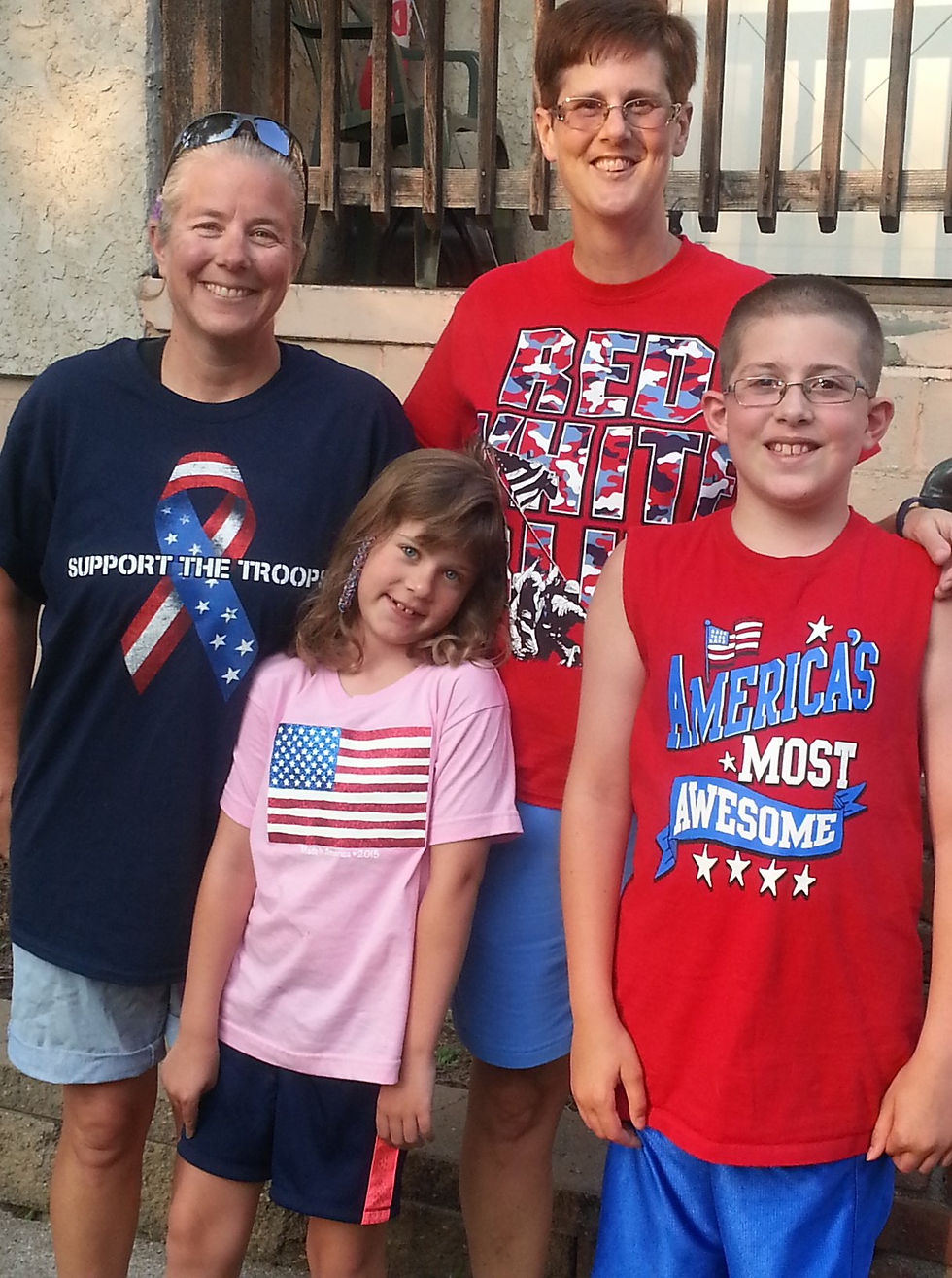
Despite the effort many students put into presenting personal PowerPoint introductions at the beginning of the school term, there are some classmates who remain oblivious about the people they see every day. Knowing that students often forget my initial introduction, I showcase photos of my family and interests around my desk. I hope that by displaying images of my adventures with pets and loved ones, the classroom environment becomes more inviting and illustrates that teachers have lives outside school, which helps students relate to me better. These pictures often catch their attention, stirring curiosity and prompting questions that contribute to building a warm and welcoming classroom community.
Each year, despite beginning my classes with a clear introduction and prominently displaying a family photo that features my partner and our children, some students remain surprised to discover that I am a lesbian. They often insist that the woman in the picture must be my sister or my mother, and a few even inquire about what happened to my husband. Their ongoing confusion, though perplexing, also struck me as somewhat amusing, especially since I had deliberately shared information highlighting her role as my spouse. I came to understand that their assumptions likely stemmed from cultural viewpoints, societal expectations, or unconscious biases, possibly influenced by the “Midwest Nice” phenomenon. These reactions underscore the critical need for visibility and demonstrate how personal identity can quietly challenge prevailing social norms. Rather than seeing these moments as barriers, I approach them as opportunities to spark dialogue, promote understanding, and create a classroom environment where everyone is recognized and respected for their true selves. Over time, these encounters have deepened my empathy and reinforced my dedication to serving as a genuine role model, encouraging students to embrace diversity in all its forms.

Once, during a casual discussion with my students, a student responded with such an unexpectedly amusing remark that I couldn’t help but laugh aloud. I mentioned my wife in passing, and the student paused briefly, clearly processing the information, before unexpectedly exclaiming, “You have a wife? Is she a lesbian?” The spontaneous question surprised everyone, including me, and elicited laughter throughout the room. It was amusing not only due to the innocence and randomness of the comment but also because it revealed the student’s complete unawareness of her surroundings. My other students quickly fired back with a series of remarks: “Seriously? Don’t you see the pictures?” “Where have you been the past eight weeks?” “Damn girl, she showed us her family the first week of school!?”
These moments serve as a reminder that developing understanding requires both time and patience. Over the course of the year, by consistently sharing my personal story and fostering open, sincere discussions, I observed a transformation in how students thought. They became increasingly comfortable with diversity, more inclined to inquire, and more enthusiastic about expressing their own distinct backgrounds. The goal goes beyond simply addressing misconceptions; it involves cultivating empathy and respect that reach well past the confines of the classroom. In the end, these moments reinforce my deep passion for education, highlighting its role as a powerful means for connection, personal growth, and embracing the rich complexity of each individual’s identity. With every slideshow, photograph, and shared narrative, our classroom evolves into more than a space for education – it becomes a community where genuine acceptance and authenticity flourish.


Comments